Safety first is not a slogan
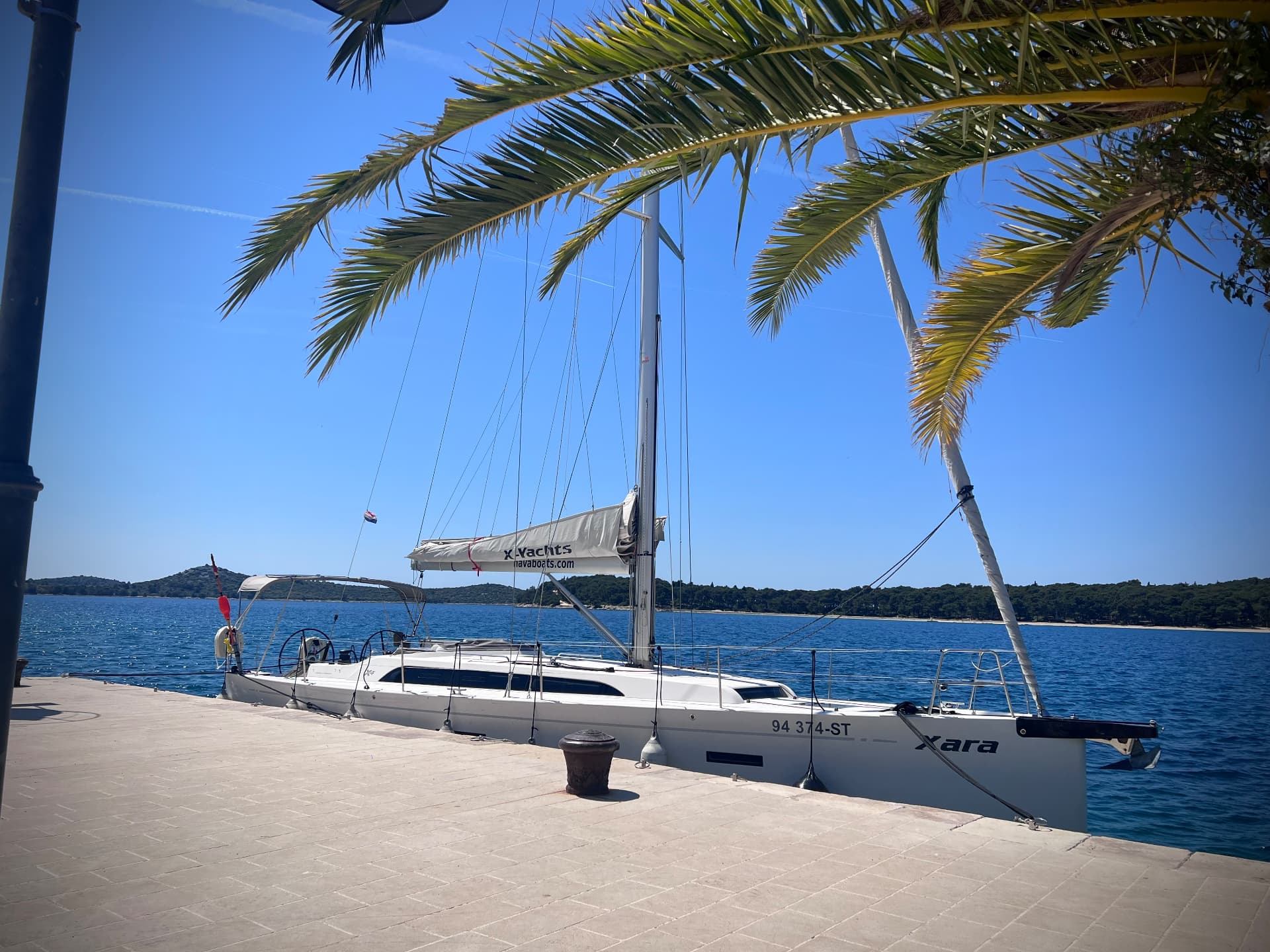
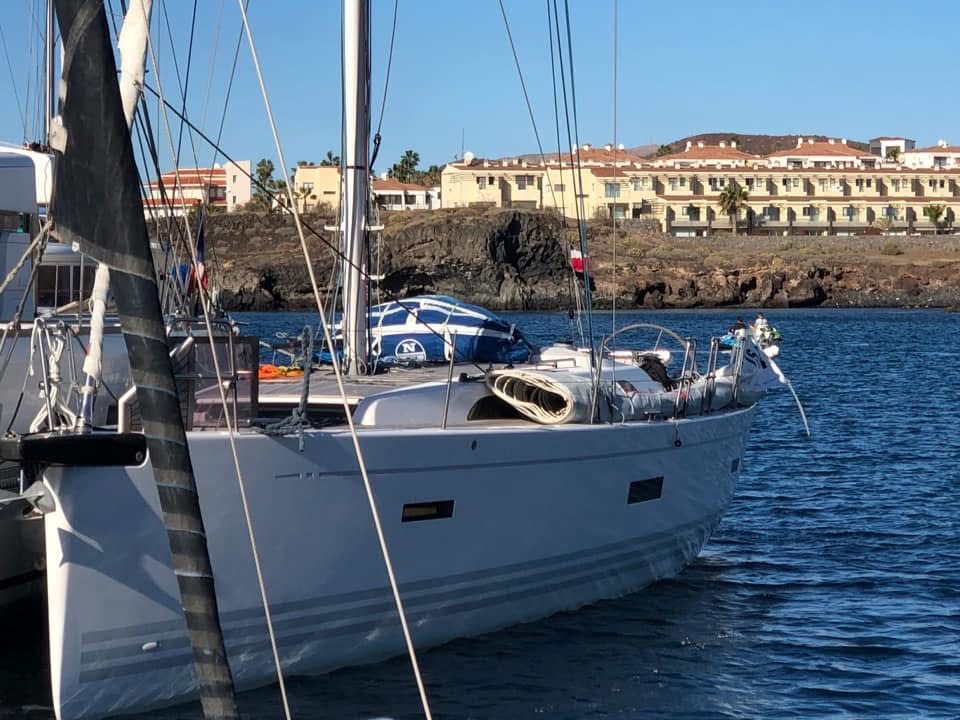
Day two of a practical sailing training, Tenerife. We dock next to a beautiful X-Yacht with a broken boom. What I saw on that pontoon is exactly why safety comes first on every course I run.
Read more
Day two of a practical sailing training. Marina San Miguel, Tenerife.
We are preparing a docking manoeuvre — alongside berthing. I brief the crew as always: wind, current, environment, escape plan. We are going to dock next to a beautiful performance X-Yacht 4.3 with a French flag. The name on the stern: Agecanonix.
As we approach, I see something strange. The carbon boom is broken. And broken in the wrong place — quite far aft, not where the shrouds make contact after an accidental gybe. I know this boat. I was sailing the same model just two weeks earlier. Something doesn't add up.
Later on the pontoon I meet the guys taking care of Agecanonix. Young French crew, good mood. I ask them: what happened, how did the boom break?
"Accidental gybe. Hit one of the crew — he died. And the boom broke."
I laugh. Yes, for sure. Good joke.
But the guys are not laughing. They are serious.
Suddenly, it is true.
A few minutes later I find the article. During the ARC, mid-Atlantic, around 500 miles west of the Canaries. A 73-year-old crew member, coming up to take the helm for his night watch. The boom hit him in the head. The skipper managed to hold him back from falling into the water — but he died suddenly. The skipper, injured himself, and his son were evacuated by a 300-metre cruise ship in force 8 and four to five metre seas. The yacht was abandoned in the middle of the ocean.
One man dead. A skipper and his son who will carry that night forever.
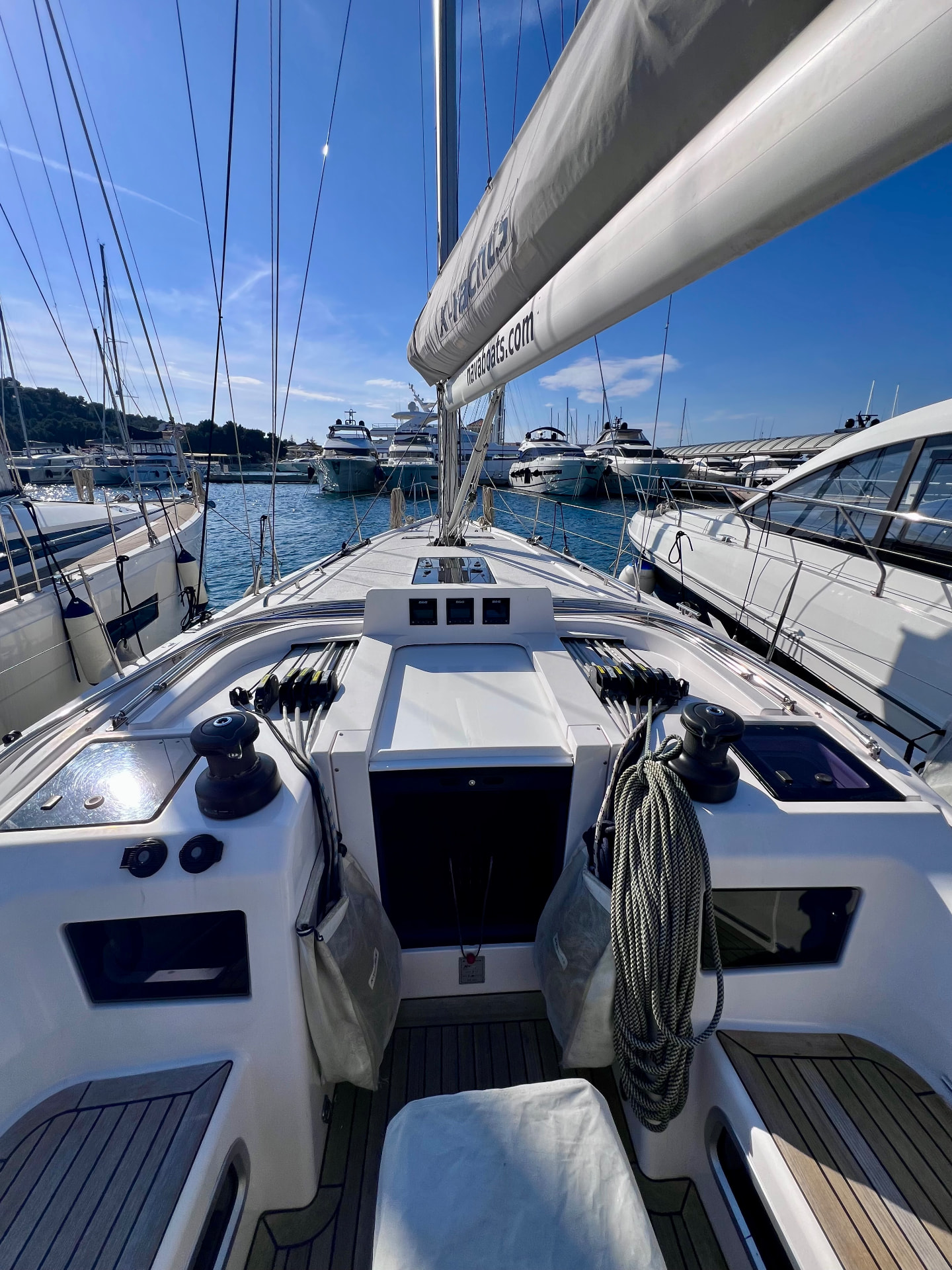
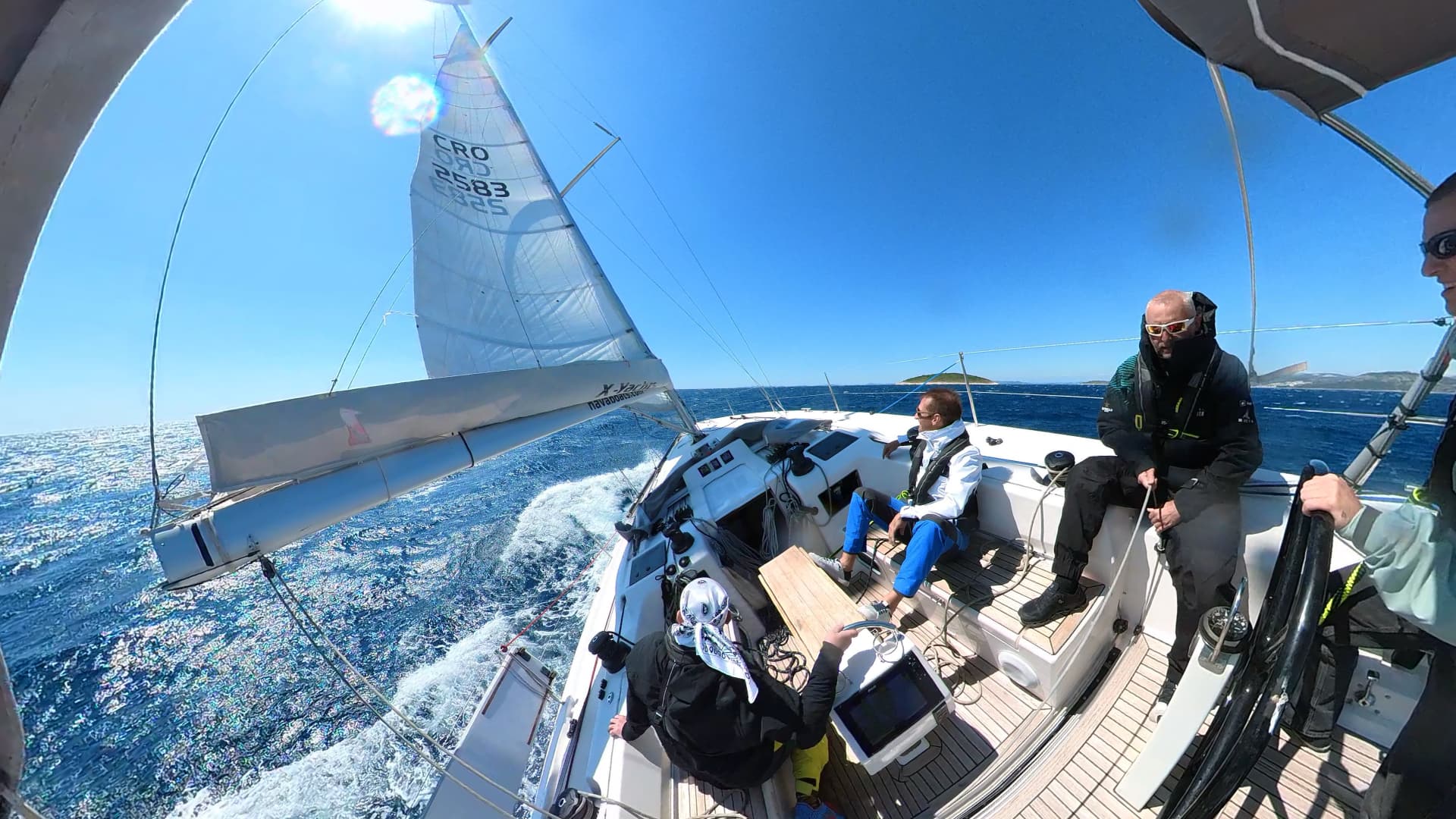
Knowing the X4.3 very well, I keep asking myself how this could happen. The boom on that boat is above two metres — well above head height inside the cockpit. Very probably he was outside of the cockpit. And in addition, the boom was not secured with a gybe preventer.
So where was the basic safety — the things we brief and learn from the first day stepping on board a sailing yacht?
Probably, and very suddenly: not there.
I know there are many sailors who don't find it very cool, or appropriate to their skipper reputation, to "waste time" briefing and talking about safety.
But sailing downwind, in rough sea, wind force 8, with an unsecured boom, not clipped on, and outside the cockpit — isn't cool anymore.
It is a seamanship destroyer. And in this case, it ended in the most dramatic way possible.
A gybe preventer takes three minutes to rig. Five minutes is all it takes to explain to everyone on board the most dangerous part of the boat — the boom. What happens in an accidental gybe. How to rig and use a preventer. Why you always stay and move on the windward side. An accidental gybe takes less than a second.
This is why, at X-Sailing, the safety briefing is the first lesson — not because the syllabus requires it, but because I have stood on that pontoon in Tenerife. I have seen the broken boom. I have met the crew.
Please, skippers and sailing friends: keep enjoying sailing. But safety first.
Hold fast and fair wind.
R.I.P. Max Delannoy
Dobo — Founder, Chief Instructor, X-Sailing